Grok Bot skills and routines vs Matrix Recipes
Compare Grok Bot skills and routines with Matrix Recipes by reusable instructions, scheduling, permissions, portability, and current product behavior.
Grok Bot and Matrix package repeatable agent work differently. Grok Bot uses skills for reusable methods and routines for scheduled or event-triggered execution. Matrix Recipes are currently portable task briefs that a user copies into an agent and starts manually. Choose based on whether you want an integrated Bot automation lifecycle or an inspectable brief inside a broader computer workspace.
This is narrower than the overall Grok Bot vs Matrix OS comparison. Here, the only question is how a successful task becomes repeatable.
How Grok Bot skills and routines work
xAI defines two building blocks:
- a skill contains reusable instructions for how to perform a task;
- a routine tells one Bot when to run a workflow, either on a schedule or after a supported event.
xAI recommends starting with a one-time task, making it reliable, saving the method as a skill, and only then automating it. Skills can be available across Bots, although the selected Bot still needs relevant connectors or login access. Read the official documentation.
This creates an integrated progression from demonstration to reusable capability to recurring execution.
How Matrix Recipes work today
A Matrix Recipe is a reusable task brief. It defines the requested inputs, steps, expected result, and review guidance. The user copies the instructions into an agent, supplies the required sources, and reviews the output.
Current recipes do not install a bot, connect an account, or create a schedule. One-click recipe installation is planned. Scheduling is a separate runtime capability, and unattended work requires an eligible plan. These boundaries are documented in the Matrix Recipes guide.
The recipe is therefore closer to a portable operating brief than an installed automation object.
Compare the two models
| Question | Grok Bot | Matrix Recipes |
|---|---|---|
| Reusable unit | Skill | Task brief |
| Recurrence | Routine with schedule or supported event | Separate scheduling setup |
| First run | Teach or perform a task, then save the method | Copy the brief, provide inputs, and run it |
| Runtime | Named Grok Bot and its cloud computer | Agent running in the Matrix workspace |
| Tool access | Bot needs the relevant connector or login | Agent needs a supported Matrix connection or authenticated tool |
| Portability | Designed for Grok Bots | Instructions can be inspected and adapted |
| Current catalog role | Skills, routines, and community task patterns | Manual briefs for defined jobs |
The rows are not direct feature equivalents. A routine is not merely a more advanced recipe; it includes a trigger and belongs to Grok Bot's execution model.
Where Grok Bot is stronger
Grok Bot is the clearer choice when you want the reusable method and recurring trigger managed as native objects around a named Bot. Its documented skill-to-routine progression reduces the glue required to schedule a proven task.
Teams should still verify feature availability, connectors, account permissions, run history, and approval behavior in their own Grok Bot account.
Where Matrix Recipes are stronger
Matrix Recipes are useful when transparency and adaptability matter more than one-click automation. The complete task brief is visible, can be edited before a run, and lives alongside files, terminals, applications, and agent sessions in a retained workspace.
Matrix also supports several terminal-agent workflows rather than requiring the recipe to belong to one agent product. That does not guarantee identical results across agents: model behavior, tools, and permissions still vary.
Permissions remain separate from instructions
Neither model makes a workflow safe merely because its instructions are reusable.
A dependable task should state:
- which sources are authoritative;
- which tools are required;
- which actions are read-only;
- which external changes require approval;
- how missing access is reported;
- where the result and run evidence are stored.
In Matrix, copying a recipe grants no permissions. In Grok Bot, a skill may be available across Bots, but each Bot still needs the required access. That separation prevents a shared method from silently becoming shared authority.
Which should you choose?
Choose Grok Bot skills and routines when you want repeatable work managed natively around Grok Bots, including supported scheduled or event-driven triggers.
Choose Matrix Recipes when you want inspectable, manually launched briefs inside a persistent workspace where you can adapt the instructions and choose the agent and tools used for the run.
If you are designing the process before choosing a platform, start with the neutral AI agent recipe template. Prove the task, measure corrections, and then decide how much of its lifecycle should be installed or scheduled.
Frequently asked questions
Does Grok Bot call these objects recipes?
xAI's official terminology is skills and routines. Community directories may use “recipes” or “templates” as a broader label for reusable Grok Bot jobs.
Can a Matrix Recipe run on a schedule?
Not by copying it alone. Scheduling is a separate setup and depends on an eligible Matrix plan and runtime capability.
Are Matrix Recipes installed applications?
No. They are currently manually launched task briefs. One-click installation is planned and should not be treated as a shipped capability.
Which approach is better for human approval?
Both can define human checkpoints. Evaluate whether the current product makes the proposed action, evidence, destination, and approval state visible for the specific workflow you intend to run.
Try a first task in Matrix
Run a Matrix recipe once from a small synthetic brief before considering repetition.
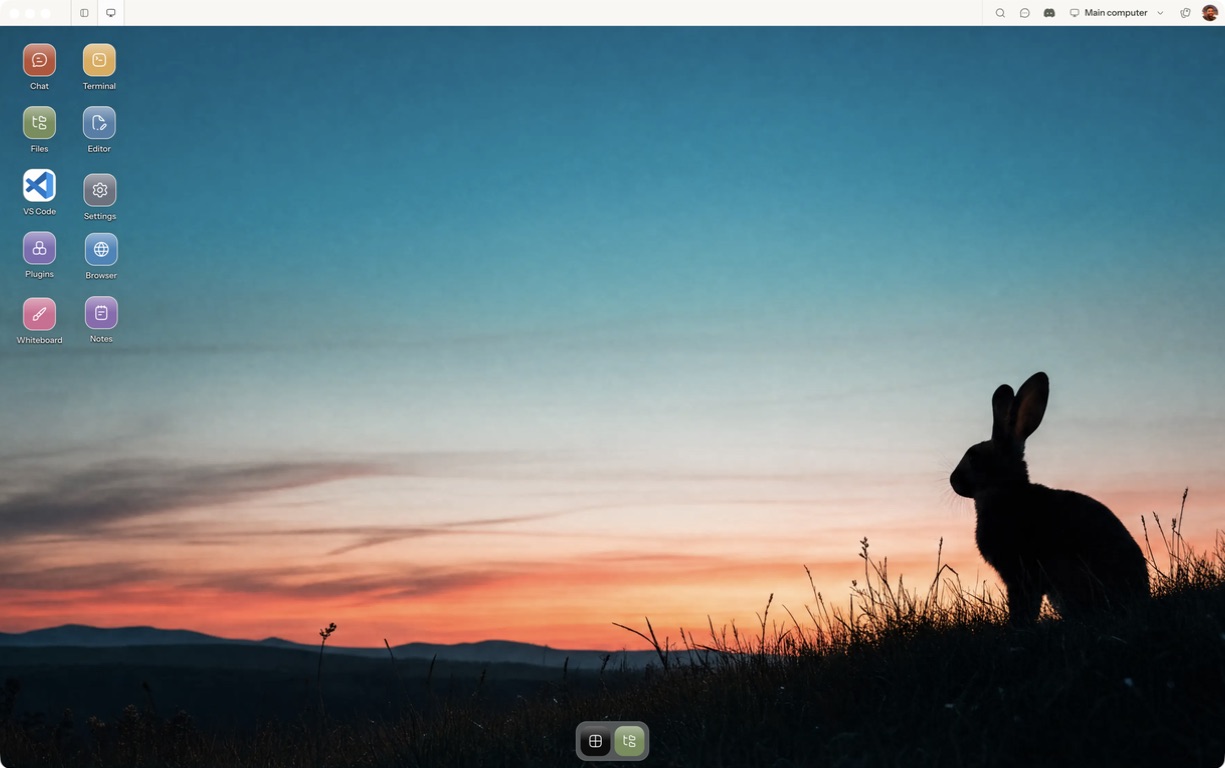
- Follow the quickstart to sign in, choose a computer and complete any required provisioning. To use the native app, follow the desktop installation and approval steps.
- Choose a recipe, read its prerequisites and adapt its task brief. Open a separate session with a small sample project or synthetic input. Configure the agent access needed for that task and make the expected output explicit.
- Separate the task instructions from the runtime and scheduling mechanism you actually configured.
For a worked coding example, use the setup and reconnect walkthrough. Inspect the result before expanding the scope or leaving a longer task unattended.
Open Matrix →Read the quickstart →Current plans and pricing →